

Health matters for the people already here and those yet to come.
A church can become busier without becoming healthier. I’ll be you’ve had that experience.
It can also become healthier in ways that are reflected in headcount.
For example:
When people trust one another more
When leaders empower others
When faith is integrated into daily decisions
When a newcomer finds belonging easily
In Ephesians 4:11–16, the body of the church grows as people use the gifts they’ve been equipped with to contribute to its life. The picture in Ephesian 4 is of maturity in Christ expressed through the life of the whole community.
NCD puts quality first. It also provides a way to assess quality that might not yet be evidenced in numerical growth. The expectation is that qualitative growth creates conditions for numerical growth. A community in which people encounter God, grow in faith and offer their gifts becomes a place into which others can be welcomed.
We can care about numbers without making them the sole purpose. The growth and development of each person and their contributions to the whole matters. We want more people to share in the life of Christ. We seek health because that allows us to worship God more fully, and we hope for the fruit that healthy life can bear.
For a disciple, growth in quality becomes visible in how we love, serve and respond to Christ. It also reaches outward as we help someone else grow.
One small step this week: Name one change in the quality of your church’s life that you hope to see.
What would people experience differently?
How would it help them follow Jesus?
What opening might it create for someone new?
Discuss it with a friend or team member. Invite them to receive these reflections with you.
Next week we’ll take the question further: Where is the greatest resistance to healthy growth?
Shane Watson
NCD Canada
What would a healthier church feel like?
One answer might be:
People know they have something worthwhile to contribute.
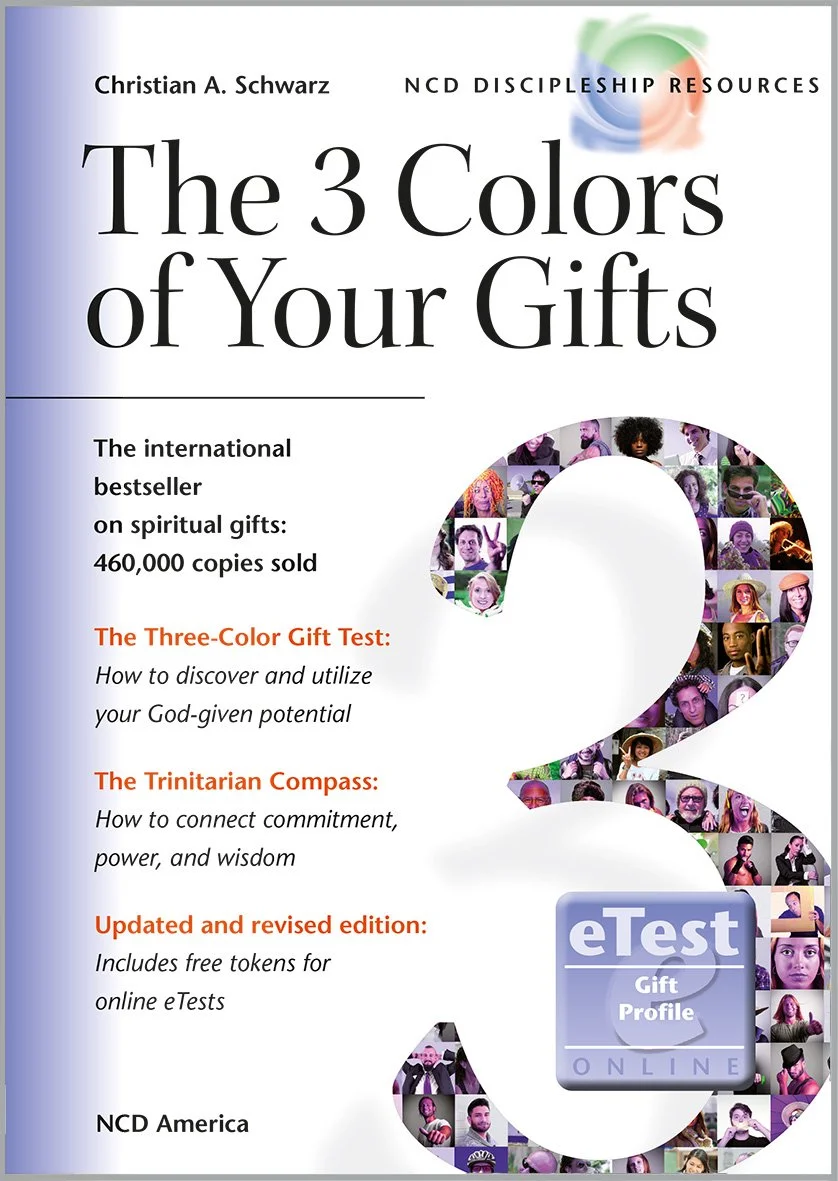
The 3 Colors of Your Gifts helps people recognize their spiritual gifts and find meaningful ways to use them. When people are encouraged to contribute from their strengths, ministry becomes less about filling vacancies and more about helping people participate in what God is doing.
That’s one small, practical expression of a healthier church.